The Thrill of Random Rewards
The allure of slot machines often hinges on the thrill of uncertainty, creating an environment where players are continuously drawn to the possibility of winning big. Unlike games that require skill or strategy, slots operate on a random number generator system, which means every spin is independent and unpredictable. This unpredictability heightens the excitement, as players can experience a sudden win at any moment, triggering an adrenaline rush that keeps them engaged. Many players also enjoy the convenience of online platforms like neosurf casino , where they can easily access a wide variety of games and promotions. The anticipation of the next spin can be intoxicating, making players feel as if they are on the brink of a significant victory.
This concept aligns closely with the psychological principle known as variable reinforcement. In essence, people are more motivated when the rewards they seek are unpredictable. Studies have shown that when outcomes are unpredictable, the brain releases dopamine, the neurotransmitter associated with pleasure. This biochemical response can lead to repeated play, as players chase the high that comes with these random wins, creating a cycle of addiction that can be difficult to break. The excitement of not knowing when a win will occur keeps players hopeful and motivated.
Moreover, the design of the machines typically features bright lights, engaging sounds, and captivating themes that further enhance this experience. These sensory elements are meticulously crafted to draw players in, creating an immersive environment that can make the prospect of winning feel even more appealing. Over time, this combination of unpredictability and sensory stimulation can lead to a powerful craving for the next win, ensuring players return for more spins. This carefully engineered experience contributes significantly to the addictive nature of slot machines, making them hard to resist.
The Role of Near Misses
Near misses are a fascinating aspect of slot machine design that significantly enhances their addictive nature. A near miss occurs when a player comes close to winning, such as spinning two symbols on a payline while the third symbol is just out of reach. This occurrence can be surprisingly motivating, often leading players to believe they are “due” for a win, which entices them to continue playing. The psychological impact of near misses is profound; players often feel a sense of victory even when they do not achieve an actual win. This phenomenon can trick players into thinking they are closer to winning than they actually are.
Research shows that near misses can evoke feelings of excitement and determination, prompting players to increase their bets and continue their play in hopes of achieving that elusive jackpot. The brain interprets these near wins as cues for potential success, reinforcing the behavior and transforming a simple gaming experience into an addictive pursuit. This misinterpretation of the near miss as a sign of imminent victory taps into cognitive biases that make it harder for players to recognize their losses. The allure of a near win makes it particularly difficult to walk away from the machine.

The gaming industry strategically utilizes near misses to enhance player engagement, making it a common feature in many slot machines. The psychological manipulation at play is both subtle and effective, creating a false sense of hope that can lead players to invest more time and money. Over time, players may struggle to reconcile their expectations with reality, resulting in a compulsive cycle of play that is hard to escape. This clever use of near misses serves to maintain player interest and prolong the gaming experience, often leading to increased spending and longer play sessions.
The Impact of Social Features
In recent years, the introduction of social features in slot machines has taken the gaming experience to a new level, drawing in more players and contributing to the addictive nature of these machines. Many modern slot games incorporate social elements, allowing players to share achievements, compete against friends, or even play collaboratively. These elements tap into the human desire for social connection and validation, increasing engagement and the overall thrill of play. The ability to celebrate wins with others can enhance the enjoyment of the game and create a sense of community among players.
For example, some machines allow players to see others winning, which creates an environment of shared excitement. This visibility can amplify personal motivation to play, as players want to be part of the winning community. The social proof created by seeing others succeed can lead individuals to believe that their chances of winning are higher, further pushing them to continue playing. This phenomenon fuels the excitement and creates a sense of belonging among players, making the gaming experience more enjoyable and engaging.
Additionally, social gaming elements often come with rewards and bonuses that encourage continued play. These incentives not only provide immediate gratification but also enhance the sense of community among players. The combination of social interactions, instant rewards, and the thrill of competition keeps players engaged longer, which can lead to an increase in the amount of time and money spent on slot machines. In this way, social features play a crucial role in amplifying the addictive qualities of these games, making them even more appealing to a broader audience.
Understanding the Behavioral Reinforcement
Behavioral reinforcement is another critical factor in understanding why slot machines are so addictive. The mechanics of these machines are designed to promote continued play by providing players with small rewards that encourage them to keep spinning. Even when players experience a string of losses, the occasional win—no matter how small—serves as a reinforcement that can override feelings of frustration or loss. This design strategy is intentional, as it keeps players hopeful and engaged, even in the face of repeated failures.
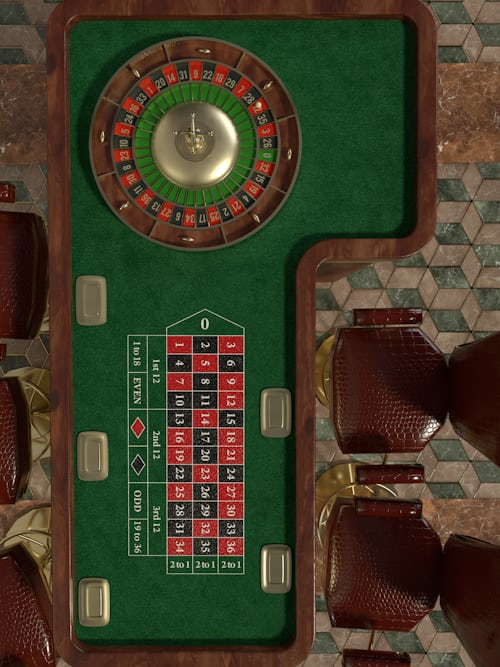
This approach utilizes the psychological principles of reward schedules, where intermittent rewards can create stronger motivation than consistent payouts. Essentially, players may find themselves wagering more to chase that elusive “big win,” which has the potential to create a financially detrimental cycle. The anticipation of winning can be so powerful that it overshadows the impact of losses, leading players to rationalize their behavior in pursuit of that next win. This cycle can spiral out of control, as the excitement of possible rewards keeps players entrapped in a loop of continuous play.
Over time, this reinforcement mechanism can lead to developing gambling behaviors that are hard to control. Players may find themselves spending more than they initially intended or allocating funds that they cannot afford to lose. The design of the machines, which emphasizes reward and excitement over rational thought, plays a significant role in this ongoing cycle, effectively making it challenging for players to recognize when they have crossed the line into addiction. Understanding this aspect of behavioral reinforcement can help illuminate why many players struggle with their gaming habits.
The Role of Online Platforms
As technology has evolved, so has the landscape of gaming, with online platforms offering an unprecedented level of accessibility to slot machines. The convenience of playing from home—or on the go—has made it easier than ever for players to engage with these games without the need to visit a physical casino. This ease of access can intensify the addictive nature of slot machines, as players can indulge in this form of entertainment at any time. The flexibility of online gaming creates an environment where players can easily lose track of time and money.
Online platforms often replicate the enticing features of traditional slot machines, incorporating vibrant graphics, engaging sound effects, and encouraging social elements. Many also offer bonuses and free spins to attract new players, further reducing the barriers to entry. This availability can lead to longer play sessions, as players are drawn into a world of continuous entertainment, often with little regard for time or finances. The combination of these appealing features creates an environment that is highly conducive to prolonged gameplay.
Additionally, the online environment can provide a sense of anonymity, which may encourage more reckless behavior. Players might feel less accountable for their spending when engaging in online gaming, leading some individuals to make impulsive decisions. The combination of easy access, enticing designs, and reduced accountability can create a perfect storm for addiction, making online slot machines an essential area of concern for players and regulators alike. As the online gaming industry continues to grow, addressing the potential for addiction becomes increasingly critical.
